9 Mistakes People Don't Notice
You finish your house, everything looks fine, then one day you notice a thin line near the window. You ignore it. Two rainy seasons later, the line is wider, paint is peeling, and doors start misbehaving. That moment many people say, "This is how it started..."
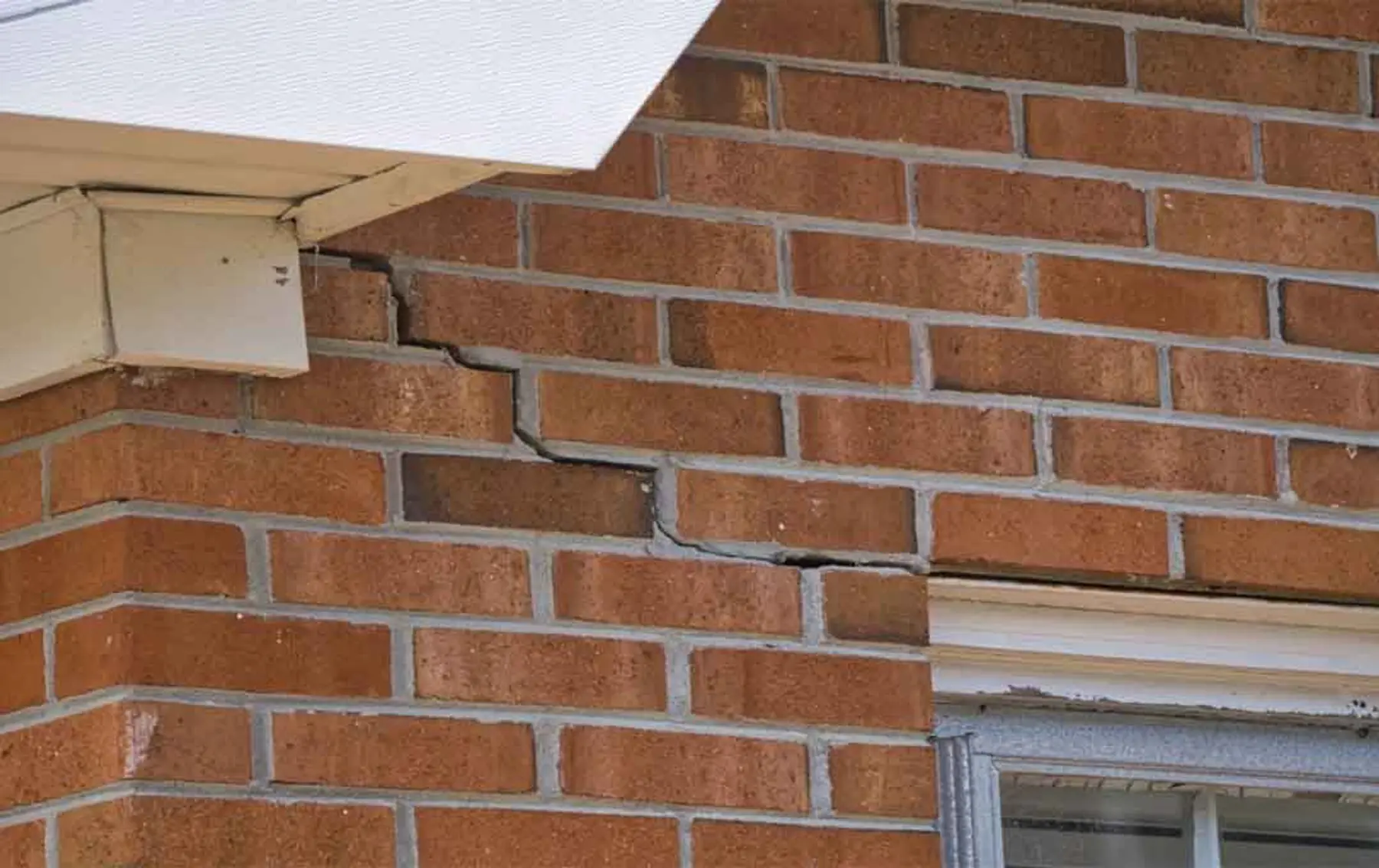
You finish your house, everything looks fine, then one day you notice a thin line near the window. You ignore it. Two rainy seasons later, the line is wider, paint is peeling, and doors start misbehaving. That moment many people say, "This is how it started..."
Cracks are common in Nigerian houses, but not all cracks are harmless. Most early cracks come from mistakes you can actually avoid.
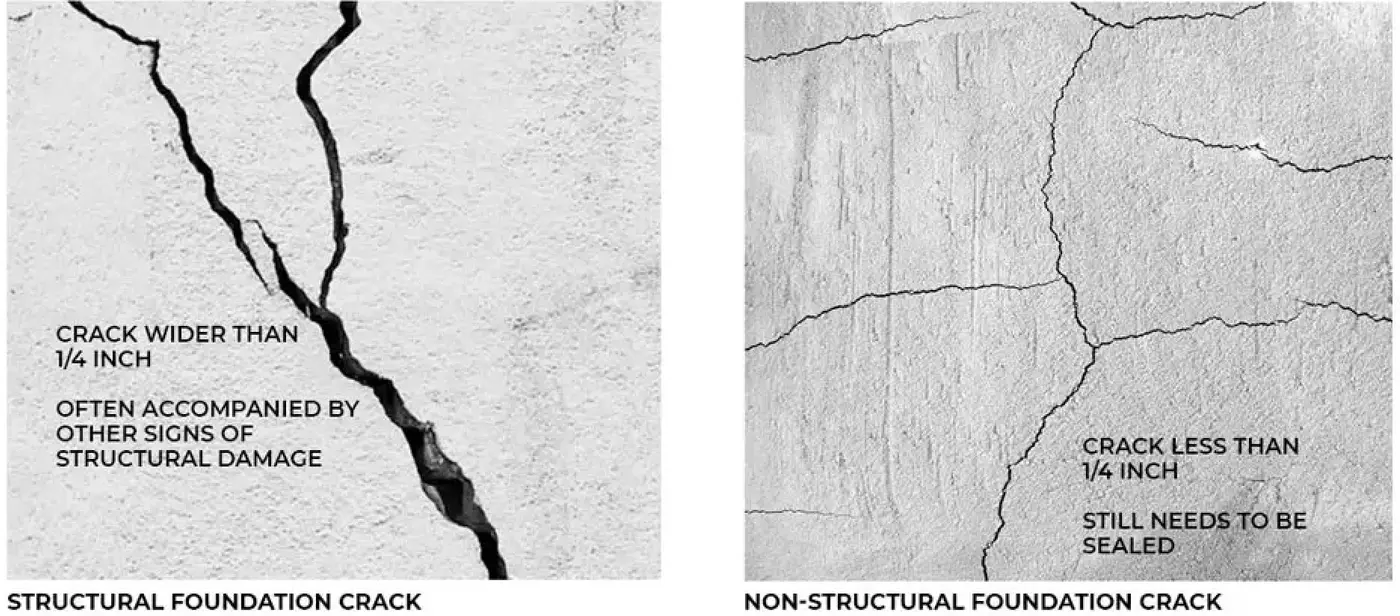
Non-structural/plaster cracks: Very thin lines, often just on the plaster or paint layer. These are usually cosmetic and not dangerous.
Structural/movement cracks: Wider cracks that keep growing, diagonal cracks, or cracks running through blocks and corners. These ones need your attention fast.
Nigeria has many areas with problematic soil. Soft soil, waterlogged areas, expansive clay, reclaimed land in Lagos, swampy areas in Port Harcourt. When the soil is weak, the building settles unevenly and cracks appear.
Simple fix: Do basic soil checks before building. It costs ₦50,000 to ₦150,000, but it's cheaper than rebuilding a cracked house.
Some houses are designed as bungalows but later "upgraded" with heavier roofing, extra rooms, water tanks, or another floor. The foundation was never planned for that extra load.
Simple fix: Don't change the building load without an engineer re-checking. If you're planning to add another floor later, tell your engineer from the beginning.
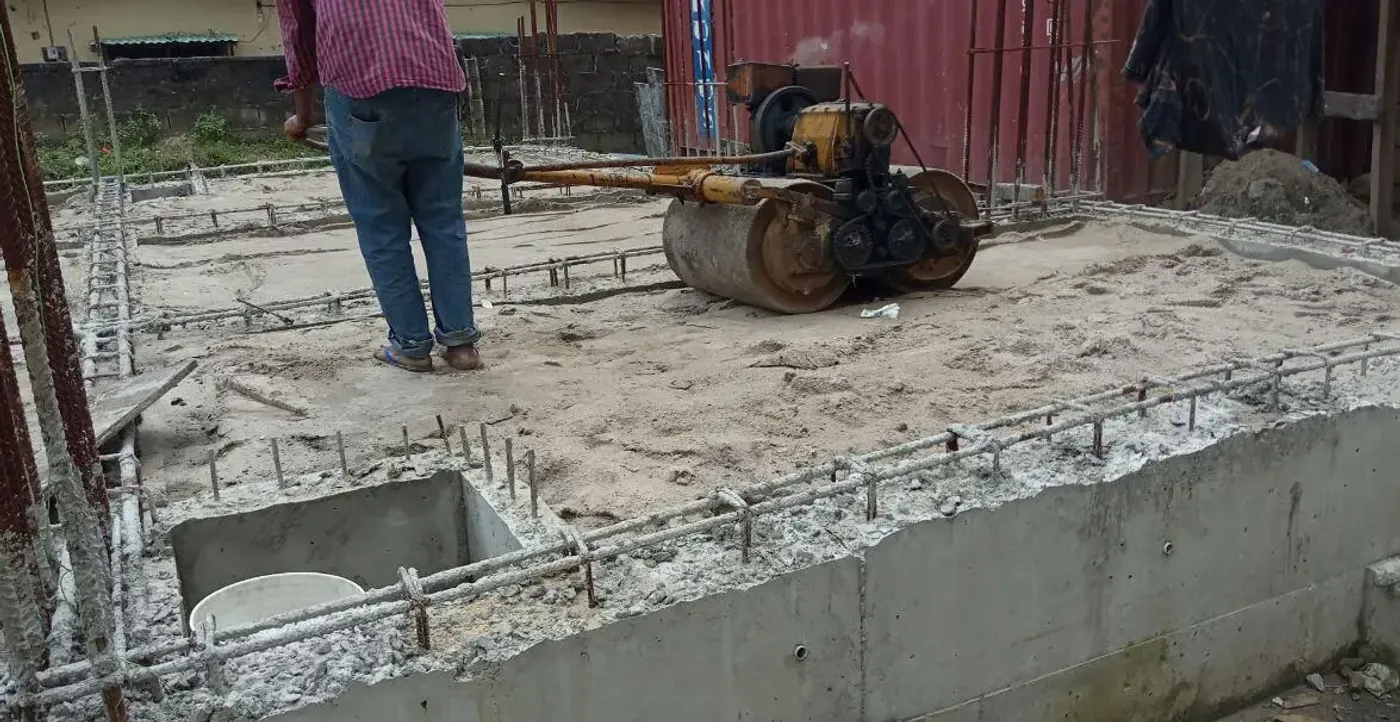
If the laterite or sand fill under your floors isn't compacted properly, it will settle later and create cracks.
Simple fix: Compact the filling in layers. Each layer should be about 150mm thick, then compacted before adding the next layer.
Adding too much water to concrete makes mixing easier, but it weakens the concrete badly. Some builders also reduce cement to save money. This weak mixture will crack fast.
Simple fix: Use a proper 1:2:4 mix by volume. Measure with the same container for everything, for example, 1 headpan of cement to 2 headpans of sharp sand to 4 headpans of granite, and add water gradually, not too much.
If your slab and beams dry too fast under hot sun or harmattan wind, they will crack early and remain weaker.
Simple fix: Pour water on concrete at least twice a day (morning and evening) for 7 days minimum. Cover it with wet sacks or polythene sheets to keep moisture in.
If your reinforcement (iron rods) is not enough, or if the steel bars are too close to the surface, you get cracking. Later, when the iron rusts, it expands and cracks the concrete from inside.
Simple fix: Follow your engineer's drawings exactly. Don't reduce the iron size or spacing. Maintain proper concrete cover (at least 25mm for beams and columns, 20mm for slabs).
Windows and doors are "weak points" in any wall. Bad lintels or weak bonding of blocks around openings produce those diagonal cracks you see running from window corners.
Simple fix: Strengthen all openings with proper lintels. Use proper bonding patterns when laying blocks. Blocks should overlap properly, not create straight vertical joints.
Long walls and fences need movement joints (small gaps that allow the building to expand and contract). Without them, the wall releases stress by cracking.
Simple fix: Add expansion joints in long runs of walls (every 10 to 12 meters). Your engineer will know how to detail this properly.
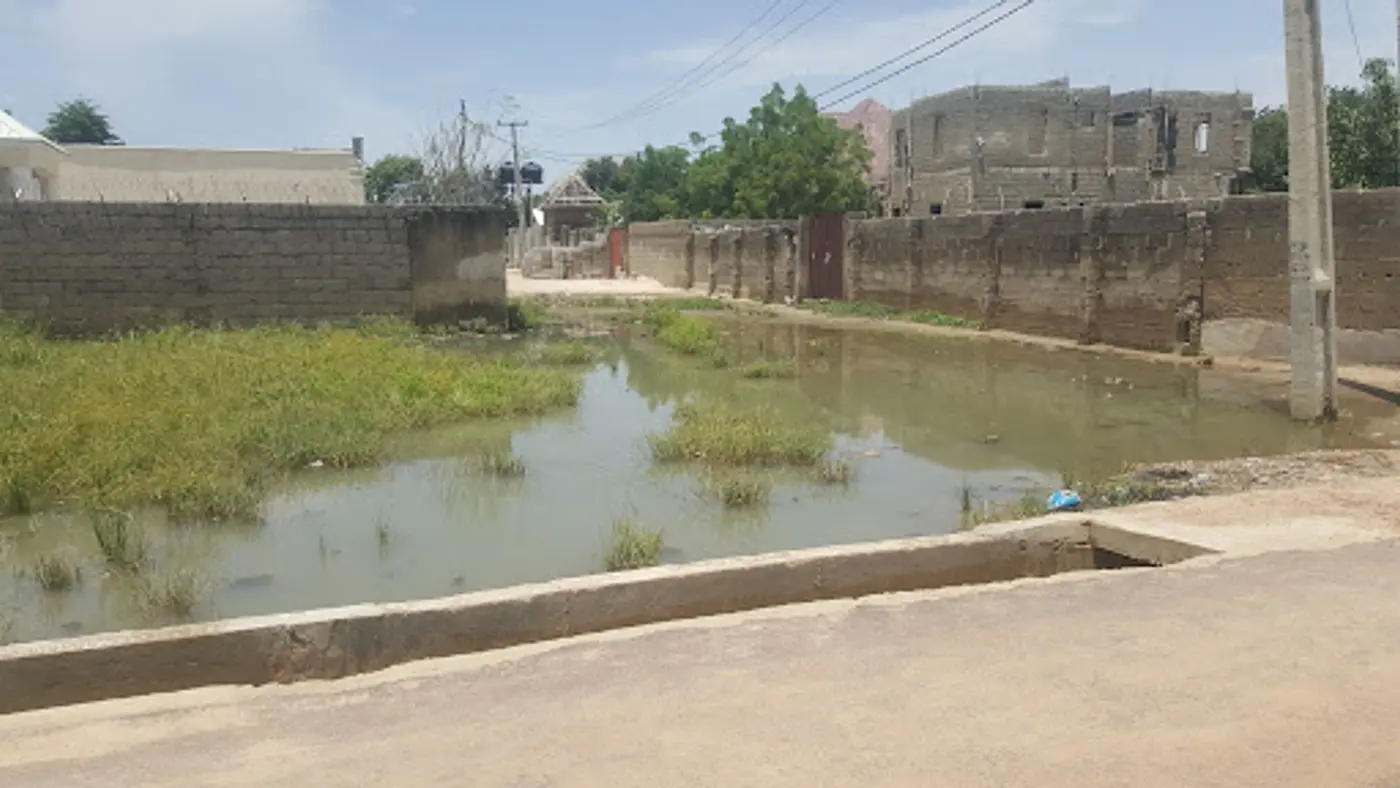
When water keeps soaking the soil near your foundation, the soil softens and settles unevenly. A small plumbing leak can slowly undermine a corner of the house.
Simple fixes:
Call a professional if you notice:
Mark and monitor: Use a pencil to mark both ends of the crack and write today's date. Check it every week.
Stop water problems: Redirect all water runoff away from your building. Fix leaks immediately. Clear all blocked drainage.
Don't plaster over it blindly: Treat the cause first, then repair properly.
Get assessment early: If you're worried, call a structural engineer. Early repairs are always cheaper than late rescue.
Most cracks in Nigerian houses are preventable. They come from small mistakes during construction that seem like "small savings" at the time but cost millions to repair later.
If you're building now, pay attention to these 9 points. If your house already has cracks, don't panic. Monitor it, fix water problems, and get professional help if needed.
Your house is probably your biggest investment. Take care of it from the beginning.
Have you dealt with cracks in your building? What worked for you? Share your experience below.
Get an email when a new article is published.



Comments
I hope Nigerians would hire professionals for the projects. This would save them a lot of headaches in the future.